
How Many Days Should You Spend in Piedmont Italy?
Planning your first trip to Piedmont can be surprisingly tricky. The region looks manageable on a map, but once you start adding Turin, the Langhe wine hills, lakes, and mountain towns, it’s easy to build an itinerary that leaves you spending more time driving than actually enjoying Piedmont.
For most first-time visitors, I recommend five to seven days in Piedmont. If you only have two or three days, choose one area, such as the Langhe or the northern lakes, and explore it properly rather than trying to cover the entire region.
After living in Piedmont for three years and exploring the region through countless day trips, road trips, hikes, and food-focused weekends, one thing I learned quickly is that this region rewards a slower itinerary.
Winery visits take time, hill towns invite detours, and a lunch you planned for an hour can easily become one of the best parts of your trip.
If you’re deciding how long your first Piedmont trip should be, I’ll break down what you can realistically see in 2, 3, 5, 7, or more days, along with the trip length I’d personally choose for a first visit.
Key Takeaways
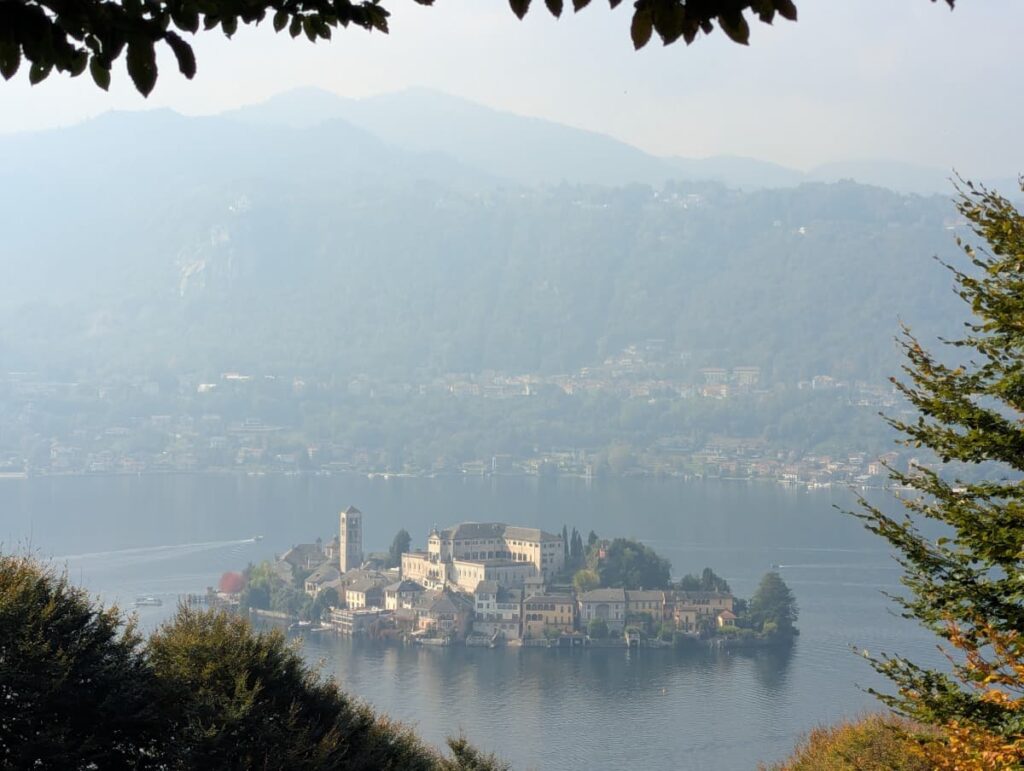
Piedmont is not a region to “tick off” in a weekend. Its best experiences often take time, whether that means a slow lunch in Alba, a boat ride to San Giulio Island, or an unplanned stop at a vineyard viewpoint.
| Available time | Best approach |
|---|---|
| 2 days | Choose one focused area, either the Langhe wine region, the Italian lakes district around Lake Orta and Lake Maggiore, or an alpine route. |
| 3 days | Explore the Langhe or the lakes at a slower pace. |
| 5 days | Combine Turin with one countryside region. |
| 7 days | Enjoy Turin, wine country, a lake, and mountain or prealpine scenery. |
| 8 to 10 days | Add hikes, winery visits, food experiences, smaller villages, and the Alba White Truffle Fair in fall. |
For most travelers, I recommend treating Piedmont as a series of regional clusters.
Choosing where to stay in Piedmont around one cluster makes it easier to enjoy Piedmont food and wine without spending the day driving.
Drives within each cluster are enjoyable, but transfers between them need more time than they appear to on a map.
Having lived in Piedmont for three years, I had the advantage of exploring the region through day trips rather than trying to fit everything into one vacation.
That taught me pretty quickly which places naturally belong together and which combinations look much easier on a map than they feel in reality.
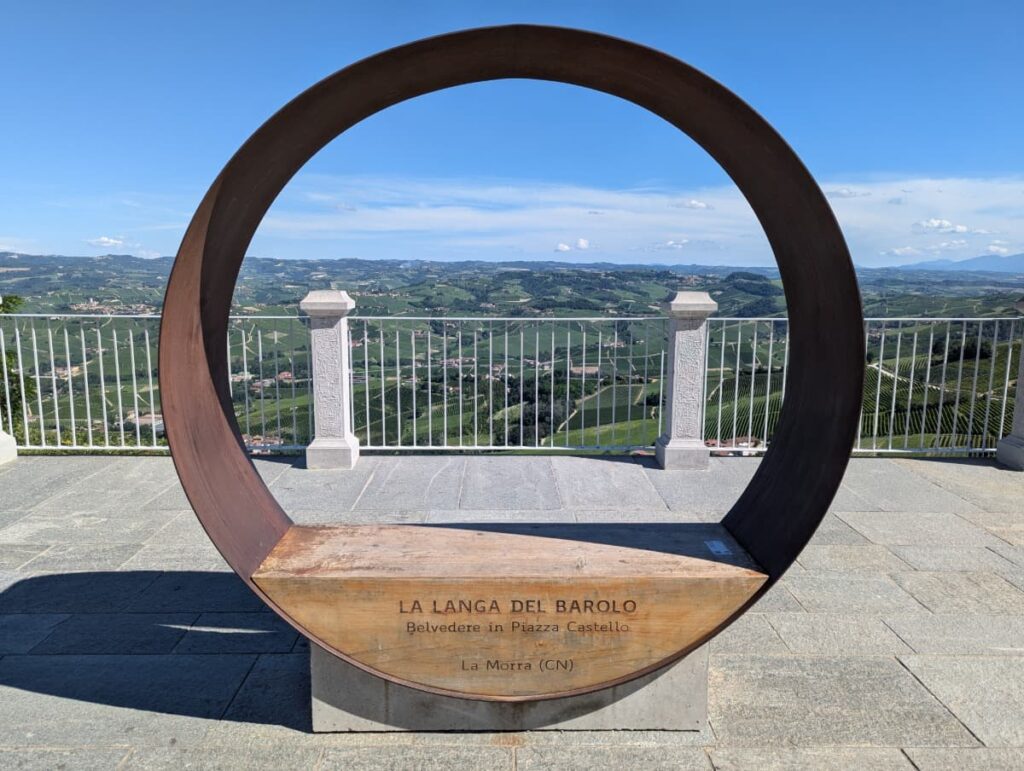
The Langhe is a good example. I could drive down for the day, spend time around Barolo, La Morra, or Alba, and come home without worrying about “seeing it all.” For a first-time visitor, I’d plan the same way: choose a small cluster and actually enjoy it rather than collecting towns.
How Many Days Should You Spend in Piedmont Italy?
My short answer is simple: choose two or three days for one area, five days for Turin plus one major region, and seven days for a varied first visit. That pace leaves room for meals and views instead of constant packing.
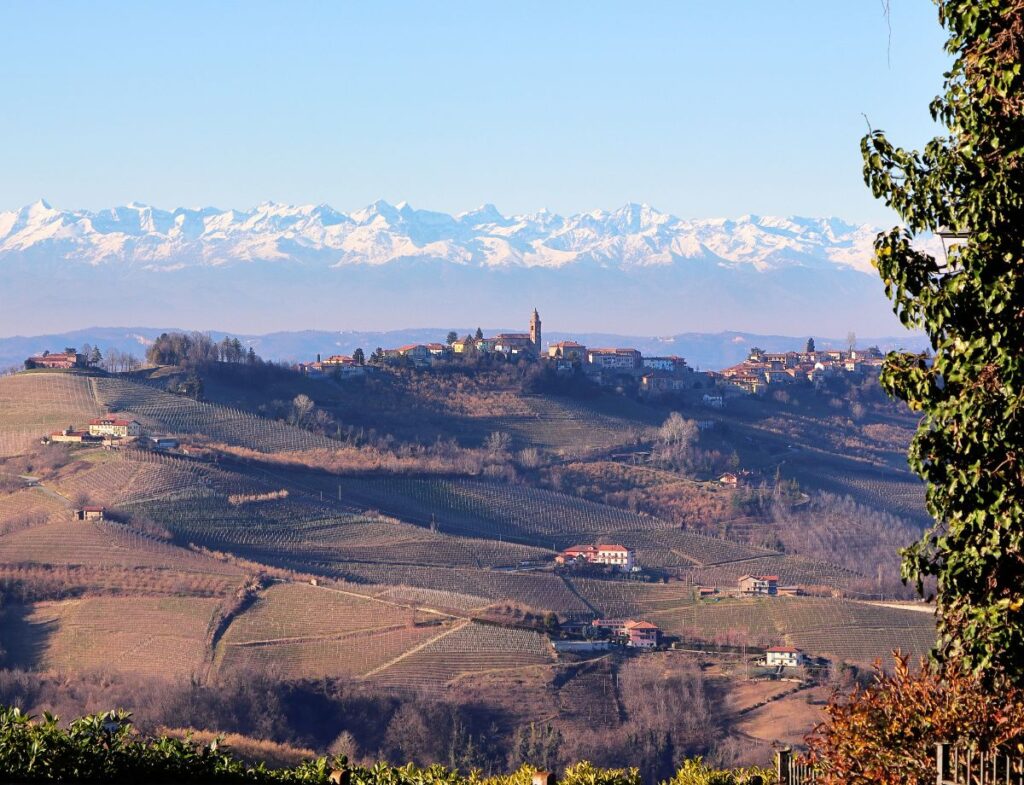
The Langhe especially changed the way I plan Piedmont itineraries. Villages like Barolo, La Morra, Novello, and Grinzane Cavour sit relatively close together, but the roads wind through the hills and you constantly want to stop for the views.
Once you add parking, walking through a village, lunch, or a winery visit, a route that looks short on a map can easily fill the day.
If you want a plan shaped around different trip lengths, these Piedmont itinerary ideas can help you choose a practical starting point.
2 days for one focused Piedmont escape
Two days are enough for a memorable escape, but not for all of Piedmont.
In the Langhe wine region, I would base yourself near Alba and choose a small loop through La Morra, Barolo, Monforte d’Alba, and Serralunga d’Alba.
These historic hilltop towns are close enough to combine, while Barbaresco or Neive work only if you keep the schedule light.
Allow time for wine tasting in Piedmont, since winery appointments and travel between estates can take longer than expected.
A Barolo wine resort is another option for travelers who want an immersive wine-country stay.
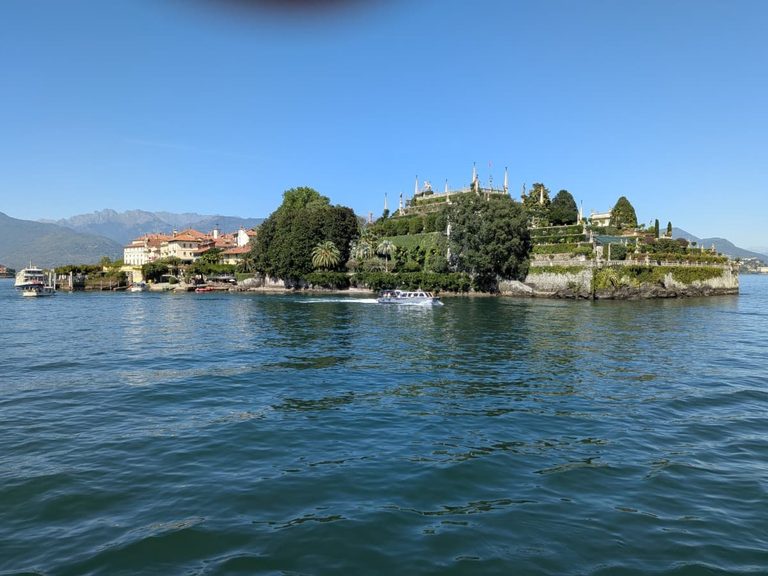
For lakes, combine Orta San Giulio and San Giulio Island with Stresa and the Borromean Islands.
A rental car makes both options easier, especially for wineries, hilltop villages, and places beyond town centers. My two-day Piedmont itinerary includes routes for wine country, the lakes, and alpine scenery.
3 days for a relaxed wine or lake itinerary
A third day creates breathing room. In the Langhe wine region, you can mix Alba’s old town with Barolo and La Morra, then add Roero, Asti, or Monferrato without treating every stop as a quick photo break.
For a lake trip, spend time in Orta San Giulio before continuing to Stresa, the Borromean Islands, Arona, and a garden or hillside viewpoint.
Lake Maggiore offers good options around Villa Taranto and the cable car to Sasso del Ferro. These three-day Piedmont routes work best when you stick to one main theme.
5 days for Turin plus one countryside region
Five days are the first realistic length for a balanced Piedmont trip. Travelers prioritizing Turin should spend two days exploring the Egyptian Museum Turin, Mole Antonelliana, Savoy residences, arcades, cafés, and Piedmontese food.
The city also offers plenty of history connected to the House of Savoy.
Then choose either the Langhe or the northern lakes for two nights. Keep the fifth day flexible for nearby highlights, including Day trips from Turin to Sacra di San Michele, Venaria Reale, or Ivrea.
Turin and Alba are about 62 to 63 kilometers apart by road, yet the drive can take roughly one to one and a quarter hours.
7 days for the full first-time experience
Seven days are my favorite choice for a first trip because you can enjoy variety without moving hotels every night.
A realistic route could include Turin, Alba and the Langhe wine region, then Vicoforte, Cuneo, or Saluzzo before heading toward Val Chisone.
After the mountains, add Sacra di San Michele or Venaria Reale, then Lake Orta or Lake Maggiore. Finish around Biella or Ivrea before returning to Turin.
After years of taking day trips from my home base in Piedmont, I realized that seven days is where the region starts to feel varied without becoming exhausting. It gives you time for Turin, wine country, and a completely different landscape without needing to change hotels every night.
If this is your first trip and you want to experience more than one side of Piedmont without planning every drive and parking stop yourself, seven days is the itinerary I’d choose.

Want to follow my exact 7-day road trip?
I built it so you can follow the route without spending your evenings checking drive times, parking, and what fits into the next day – ready to go. ⇨ Get the complete itinerary
What Can Change How Many Days You Need in Piedmont?
Five to seven days work well for most first-time visitors, but your interests can change that.
Wine lovers may want more time in the Langhe, Roero, and Monferrato, while travelers focused on museums and Savoy residences may prefer to spend longer in Turin.
When I lived in Piedmont, I always treated Lake Orta and Lake Maggiore as their own day rather than combining them with a long drive south. Hiking also adds time, especially in Val Chisone or Val di Susa.
If this is your first visit and you’re choosing between five and seven days, I’d choose seven.
Add extra days for hikes, food, or slower travel
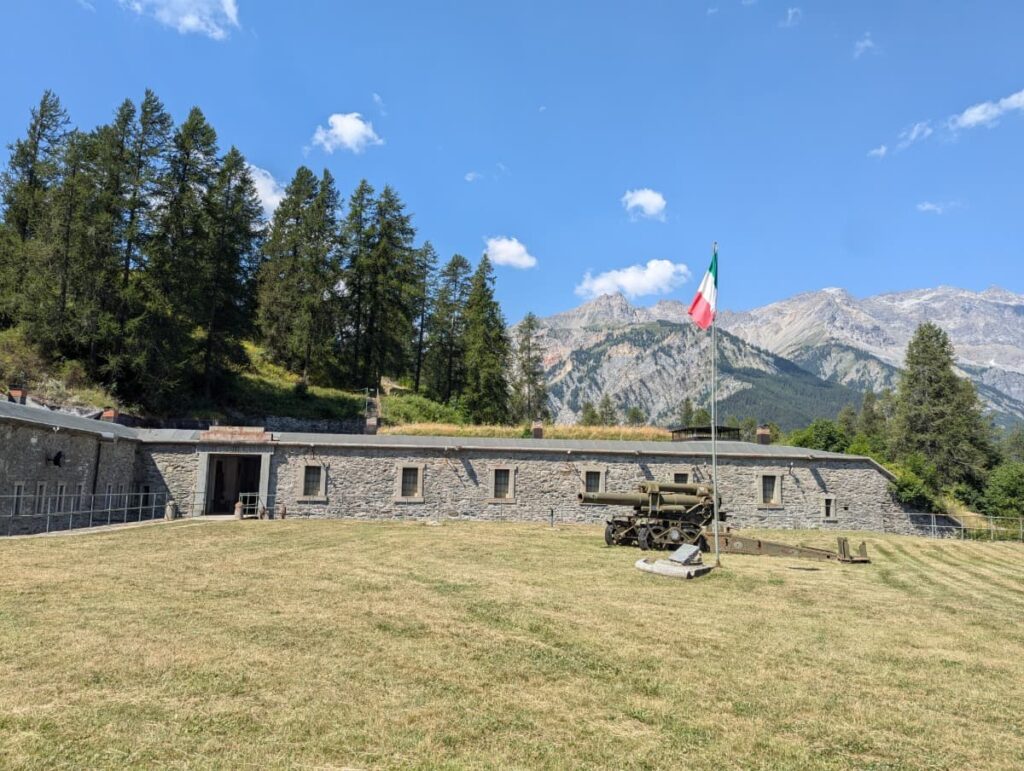
Eight to ten days make sense if hiking is a priority. Val Chisone and Val di Susa deserve more than a drive-through, particularly when you want time for short walks, forts, and mountain villages.
Extra days also help during fall. Travelers interested in truffle hunting in Piedmont may need flexibility around the Alba White Truffle Fair, the truffle festival Alba hosts, winery visits, and village fairs.
I like leaving at least one open afternoon for a long lunch or a detour. Piedmont rewards travelers who linger.
Plan Around Driving Time, Seasons, and Regional Clusters
Piedmont can look compact on a map. However, vineyard roads curve along ridges, mountain roads slow down in bad weather, and parking takes time in popular towns. I always count the journey as part of the day, rather than squeezing it between major sights.
One of my Langhe day-trip routes from Turin runs through Novello, Barolo, La Morra, Grinzane Cavour, and Alba before returning to Turin. It is around 160 kilometers, but the pure driving time alone is already more than three hours.
That number is useful because it doesn’t include anything you actually came to Piedmont to do. Add coffee in Novello, walking around Barolo, stopping for vineyard views, visiting Grinzane Cavour, finding parking, and dinner in Alba, and you have a very full day.
After driving routes like this myself, I stopped looking at distance alone when planning Piedmont. Especially in the Langhe, the winding roads are beautiful, but they are not roads I would rush.
For rural travel, renting a car in Italy is especially helpful for reaching wineries, remote villages, and alpine valleys.
Turin itself is easy to explore on foot and well served by rail. Trains can also be useful for places such as Alba, Asti, Ivrea, and Biella, but check the timetable for your exact date.
Piedmont can also form one region of a Northern Italy road trip, without requiring you to cover the whole area in one visit. For more route ideas, see my Piedmont road trip guide, part of my broader Piedmont travel guide.
A route with fewer stops often gives you more of Piedmont, because the region’s small roads and everyday moments are part of the experience.
Use one or two bases instead of moving every night
I recommend two or three nights per base. Turin works well for city sightseeing and nearby day trips. Alba or a Langhe village is a comfortable wine-country base, while Stresa or Orta San Giulio suits a lake stay.
This approach reduces packing, check-in time, and late arrivals. More importantly, it leaves space for an evening walk, a second glass of wine, or a restaurant recommendation from your host.
Match the itinerary to the season and transport
The best time to visit Piedmont depends on your interests and travel style.
Spring, especially April through June, brings green hills and pleasant walking weather. Summer is good for lake activities, although afternoons can be very hot.
Fall, particularly September and October, is ideal for vineyard color, wine season, and truffle-focused meals. Dates for the Alba White Truffle Fair can affect accommodation, winery availability, and driving plans.
Winter works well for Turin’s museums, cafés, and food, plus selected mountain destinations if you are into skiing. Still, mountain roads, attraction hours, ferries, and winery opening days can change in colder months.
If you visit Lake Maggiore, check current ferry times before finalizing your plans. Also check train schedules, parking rules, and road conditions before locking in a short itinerary.
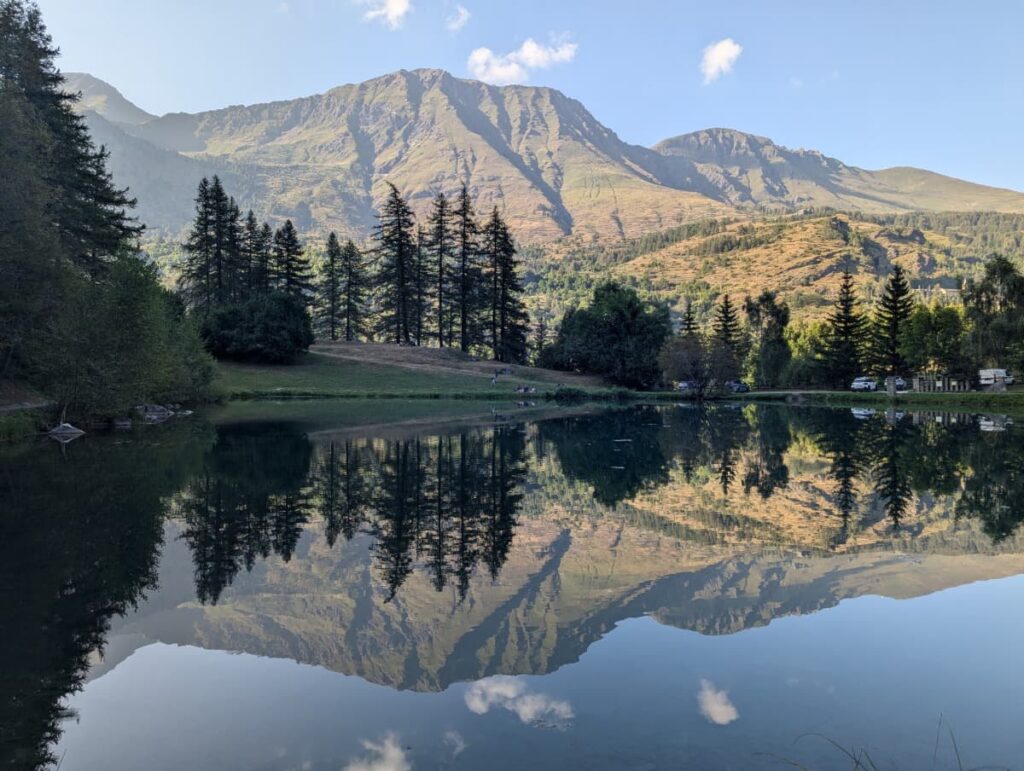
Build a Trip That Leaves Space for Discovery
The strongest Piedmont itinerary has a clear center. If wine is your priority, decide where to stay in Piedmont.
Book a Langhe base, including one of the luxury hotels in Piedmont, and treat Turin as an arrival or departure stop. If you want lakes and gardens, stay north and skip the long journey south to Alba.
I have learned that a full itinerary does not need a different hotel every night. A few carefully chosen stops feel richer than a rapid circuit through famous names.
Having lived in Piedmont changed how I think visitors should experience the region too.
Some of the best parts of a Piedmont road trip are exactly the things that don’t look important on an itinerary: the vineyard road between villages, a viewpoint you hadn’t planned to stop at, or having enough time to stay for lunch instead of watching the clock.
Plan time for long meals and Piedmontese food instead of adding another attraction. That slower rhythm reflects the Slow Food Movement and its focus on local ingredients.
Make reservations fit the route
Book winery visits early once your dates are fixed, especially in Barolo and Barbaresco during fall.
Reservations become even more important during the Alba White Truffle Fair, when demand rises across the Langhe. Tastings take time, and driving between appointments is slower than it looks on a screen.
Reserve Michelin-starred restaurants well ahead, while smaller local trattorias usually offer more flexibility. This approach works for different budgets and travel styles without overplanning every meal.
Likewise, check Lake Orta boat times and Lake Maggiore ferry options before building a day around islands. A missed boat can change the whole afternoon, while a flexible plan lets you enjoy the lakeshore instead.
Keep arrival and departure days light
Turin deserves one to three days on its own, depending on your interests. If you land late or leave early, don’t count that day as a full sightseeing day.
I also avoid scheduling a major mountain drive immediately after a flight. Start with Turin, Alba, or a lake town, then move into the countryside after a good night’s sleep.
Frequently Asked Questions
Is Piedmont suitable for a first trip to Italy?
Yes. Piedmont feels more relaxed than many of Italy’s busiest regions, yet it offers major museums, historic towns, excellent food, lakes, and mountains. It suits travelers who enjoy setting their own pace.
Do you need a car in Piedmont?
A car is highly useful outside Turin and the main towns. You can explore Turin by train and on foot, but wineries, small Langhe villages, remote valleys, and many viewpoints are a lot easier to reach by car.
Can you combine Piedmont with Milan?
You can visit Milan, but I’d only do it when you have enough time for both. With five days or less, focusing on Piedmont usually creates a better trip than adding another city and losing time to transfers.
Should winery visits be booked in advance?
Yes, especially if you want a tasting at a well-known Barolo or Barbaresco producer. Autumn dates can fill quickly, and many smaller wineries don’t accept walk-ins.
Are the lakes worth visiting if you do not like boat tours?
They are. Orta San Giulio has quiet lanes, lakeside cafés, and the Sacro Monte viewpoint. Stresa and Arona also work well for walks, gardens, and relaxed meals by Lake Maggiore.
Is Piedmont a good destination in winter?
Winter is a strong choice for Turin, local food, museums, and cozy city breaks. For alpine areas, check road conditions and opening times before driving. Weather can change plans quickly.
A Pace That Makes Piedmont Memorable
Choose two or three days for one focused area, five days for Turin and one major region, or seven days for a varied first visit. A slower route will almost always feel more rewarding than trying to see every destination.
There’s no single perfect number of days because Piedmont changes with your interests, the season, and your transport. But after living here for three years and exploring the region through countless day trips and road trips, seven days is the length I would choose for a first visit.
It gives you enough time to understand how different Piedmont’s landscapes really are without turning the trip into a race. That is also how I built my 7-day Piedmont road trip: around routes I have actually driven, realistic travel times, and stops that make sense together rather than simply trying to fit as many pins as possible onto a map.
If you want to skip the hours of figuring out those logistics yourself, my complete 7-day Piedmont itinerary gives you the route already planned out, including the daily driving routes, Google Maps locations, parking information, and schedule I would use for a first trip.